Since 1999, now US-based—wildlife conservation. Flowers & insects first: then science-backed nectar.
SCIENTIFIC PAPERS
Hummers Nectar: the First Scientifically Formulated Nectar.
The materials linked on this page are provided for transparency and professional review: laboratory analyses, supporting data, and a peer-reviewed scientific publication related to our hummingbird nectar research. This is a public showcase of evidence, not a complete archive.
The collection is intentionally non-exhaustive and should not be treated as a standalone technical dossier or as the full basis for final conclusions without context.
For the complete documentation set, methodology notes, veterinary records, or clarification on limitations and interpretation, please write to us.
Laboratory Analyses & Supporting Research
Below is a curated set of analytical work supporting our research: laboratory results on fruit flies and other insects commonly consumed by hummingbirds, nectar-related analyses, and additional supporting tests. You will also find selected bibliography and reference materials used to frame methods, interpret outcomes, and cross-check findings against existing literature.
This collection is provided as a professional-facing snapshot of the broader work—representative, not exhaustive. We have deliberately included selected research and analyses originally conducted more than a decade ago to document the depth and rigor of our earlier work.
If you need full reports, raw data, methodologies, additional analyses, or veterinary records for interpretation, please contact us.
University Agreements & Government Collaborations
This section includes selected documentation related to our academic collaborations—such as partnership and University agreements, research cooperation frameworks, and other materials that reflect ongoing or past work with universities and academic institutions.
Below is a selected list of institutions and government bodies we have worked with through formal agreements, projects, official correspondence, and letters of recognition.
Field-tested
Produced by our scientific institution in our laboratories, building on research conducted in cooperation with Chelab Laboratories (Treviso, Italy), Seris Lab (Genova, Italy), and the Department of Agricultural and Environmental Science, University of Udine, Italy.
Field-tested in Ecuador, Colombia, Peru, Dominican Republic and in European Zoological Institutions.
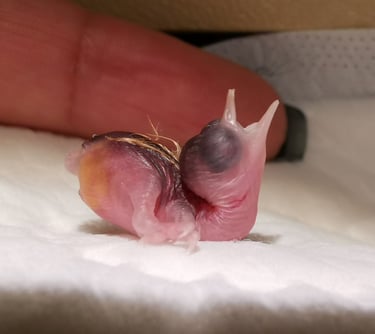
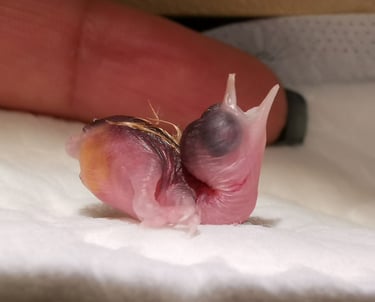
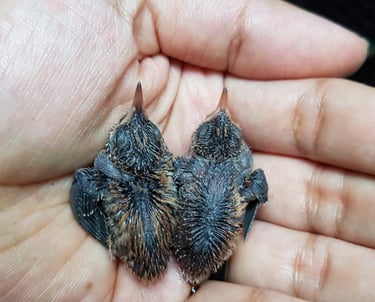
From hatching
Our Nectar has allowed the weaning of hummingbird nestlings abandoned by their mothers on the first day of life
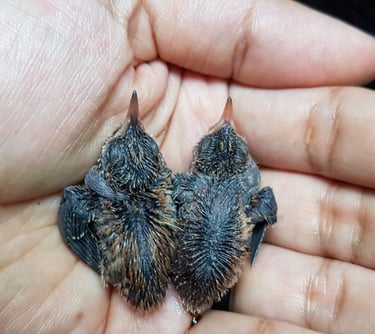
To fledging
Our nectar has allowed the complete development of the little hummingbirds weaned by our keepers
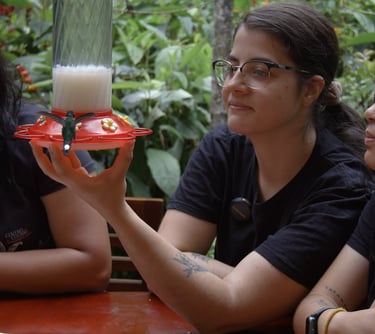
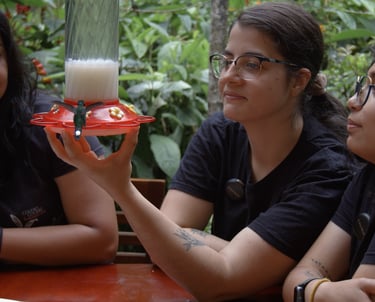
Ecuadorian research station
in the Ecuadorian scientific station with our: Vice Director Federica Cardarelli, Senior Keeper Thalia Pardo and assistant Jane Villasis
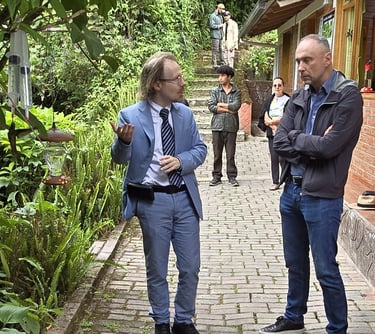
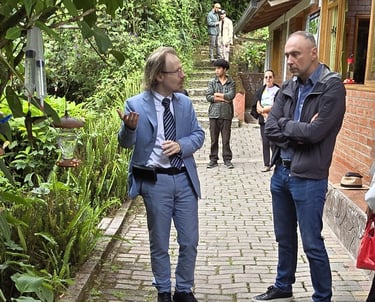
His Excellency
Our nectar inaugurated by His Excellency the Ambassador of Italy in the Ecuadorian cloud forest
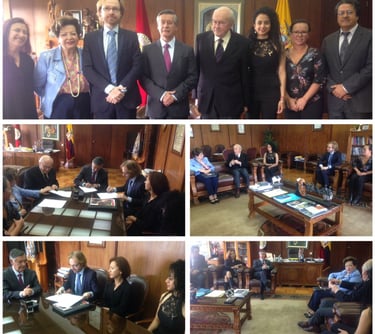
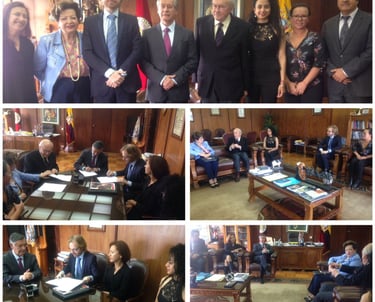
The Ecuadorian University
The agreement with the Universidad UCE, in the presence of Rector Fernando Sempértegui and Dean of Veterinary Medicine Prof. Aragon
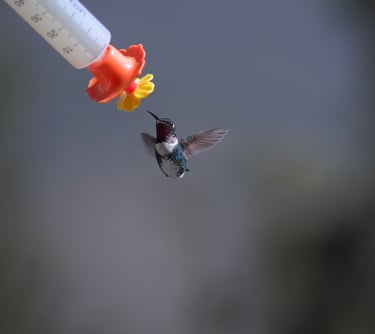
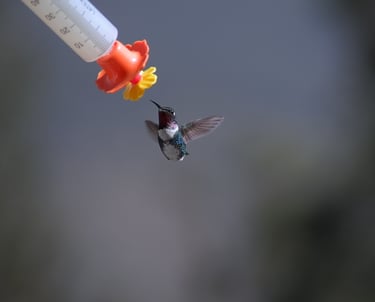
Also in Colombia and Peru
Our nectar is also used in Colombia and Peru to detoxify hummingbirds accustomed to water and sugar
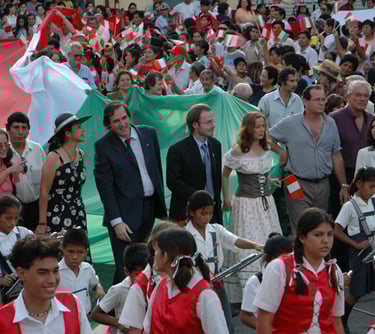
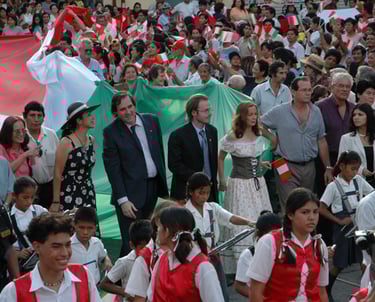
Italian Deputy Minister Dr. Menia in Peru
The two Ministries of the Environment join forces to produce Hummers Nectar in Peru
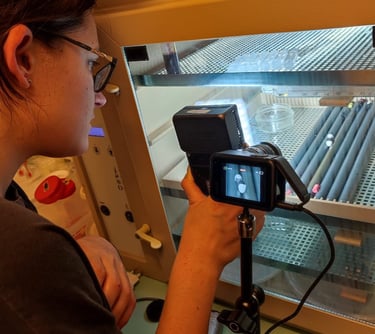
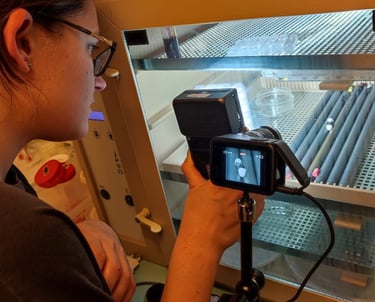
The incubator
Our Curator Rebeca Guler monitoring the temperature, humidity, and heartbeat of the embryo
Universities & Research Institutions
(Formal Agreements / Collaborations / Projects)
University of Boyacá (Colombia)
Universidad Central del Ecuador (UCE) — Veterinary Medicine (Quito, Ecuador)
Universidad Central del Ecuador (UCE) — Biological Sciences (Quito, Ecuador)
Universidad Metropolitana (Guayaquil, Ecuador)
Universidad Internacional del Ecuador (UIDE) (Ecuador)
University of Udine — Department of Biology (Italy)
University of Udine — Animal Sciences (Italy)
University of Camerino — Veterinary Medicine (Italy)
Universidad Autónoma de Santo Domingo (UASD) (Dominican Republic)
University of Trieste — Letter of commendation (Prof. Hack)
University of Bonn — Letter of commendation (Prof. Schuchmann)
Government collaborations & official correspondence
Italian Ministry for the Environment
Italian Ministry of Cultural Heritage and Activities
Italian Ministry of Foreign Affairs (through Italian Embassies)
Friuli Venezia Giulia Regional Government (Governor’s Office)
Italian Parliamentary Congress report (PD)
Italian Parliamentary Congress report (PDL)
Colombian Ministry of the Environment
Ecuadorian Ministry of the Environment
Ecuadorian Ministry of the Interior
Dominican Ministry of the Environment
Peruvian Ministry of the Environment (Ex. Agriculture)
Institutional Partners & Government Collaborations
Below is a selected list of institutions and government bodies we have worked with through formal agreements, projects, official correspondence, and letters of recognition.
This list is provided to document the continuity and credibility of our work—many collaborations and records date back more than a decade.
Documentation is available upon request.
We can share agreements, letters, project documentation, and supporting records upon request, subject to confidentiality and privacy limitations
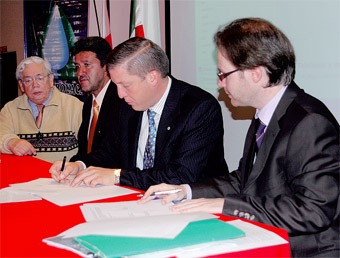
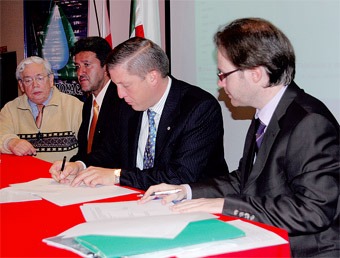
The Colombian University
The agreement with the University of Boyaca in with the envoy of the President of the Republic of Colombia, Hon. Ciro Montañez
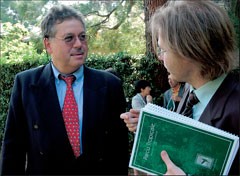
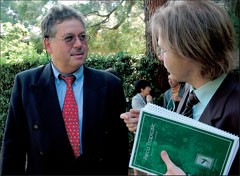
Italy 1999, where it all began...
Prof. Karl Schuchmann (University of Bonn) who first decoded hummingbirds’ diet in 1978. The godfather who helped found our Center!
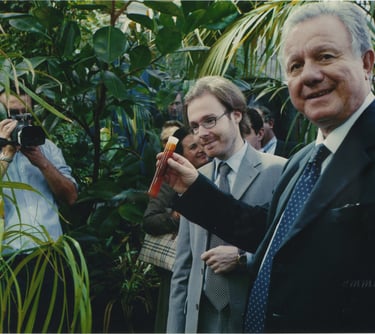
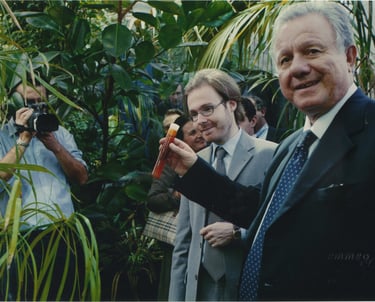
The Minister of the Environment
Back in 2004, the Italian Minister of the Environment Hon. Matteoli inaugurated the first experimental version of Hummers Nectar
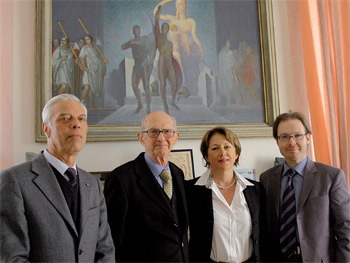
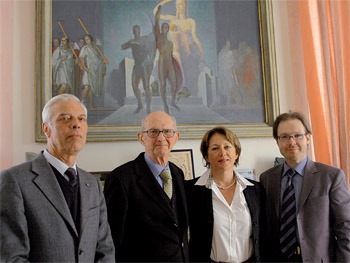
The University of Udine
Rector Prof. Compagno, Prof. Susmel, and the late Prof. De Ferra back in 2008 during the study of the first formulations of the nectar
A Tribute to Our Origins
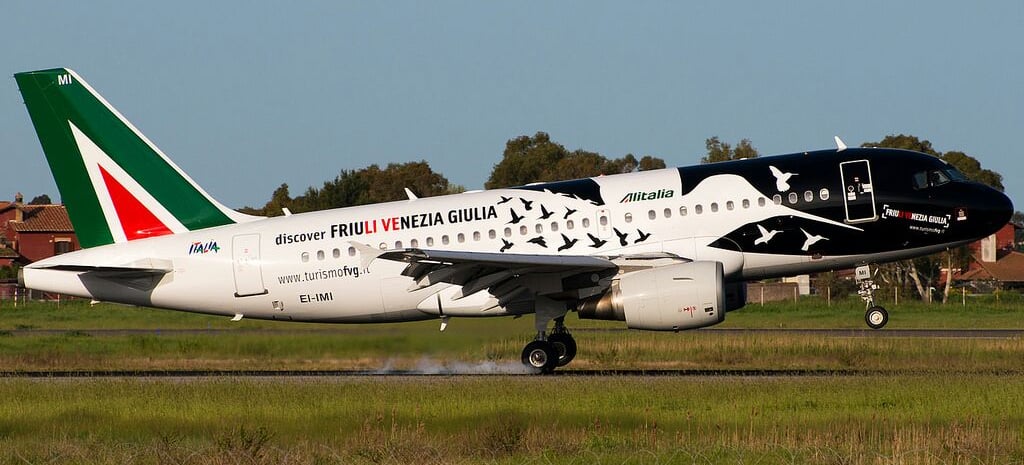
Alitalia and Italy’s Friuli Venezia Giulia regional government dedicated this livery to our Center’s work, with the hummingbird as its emblem—a tribute to our research since 1999. A high-flying symbol of conservation that took off in Italy and has now landed in the United States.
Hummingbirds Center Research Institute - Centro Colibri, Inc.
447 Broadway 2nd Floor, Suite 1012
New York, NY 10013,
United States